Просмотр новости
Найдите то, что Вас интересует
 Спутники
 РН
РН SpaceX
 Роскосмос
 NASA
NASA
СпутникиРНSpaceXРоскосмосNASA
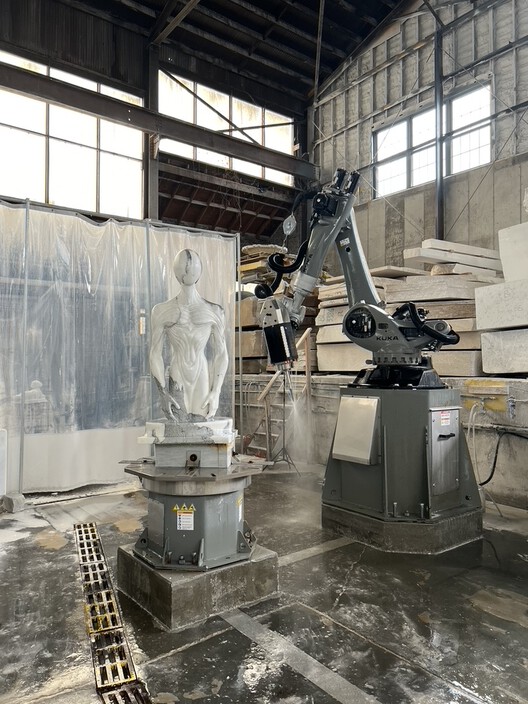
Architectural ornamentation has been a recurrent subject of debate across the industry for decades. A practice that was largely abandoned during the Modernist movement could now be standing on a platform that might, again, allow its resurgence, due to the current convergence of robotics, artificial intelligence (AI), and digital fabrication. Technology has seemingly removed the primary obstacle to decorative detail: the high cost of skilled manual labor. However, this new technical capacity demands a critical examination: What does ornamentation truly represent, and what do we gain or lose by resurrecting it through algorithmic design?
Subscriber Access
9:20
9:20
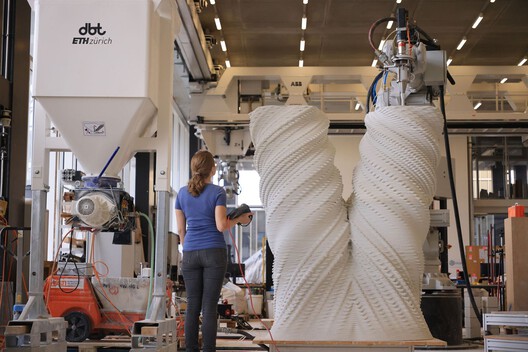
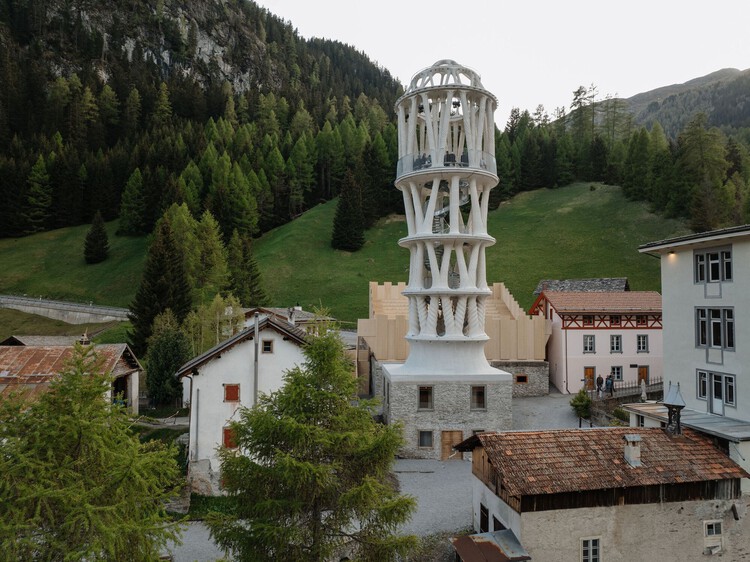 View of White Tower by Studio Benjamin Dillenburger + Michael Hansmeyer. Image © Birdviewpicture
Published on October 01, 2026
Architectural ornamentation has been a recurrent subject of debate across the industry for decades. A practice that was largely abandoned during the Modernist movement could now be standing on a platform that might, again, allow its resurgence, due to the current convergence of robotics, artificial intelligence (AI), and digital fabrication. Technology has seemingly removed the primary obstacle to decorative detail: the high cost of skilled manual labor. However, this new technical capacity demands a critical examination: What does ornamentation truly represent, and what do we gain or lose by resurrecting it through algorithmic design?
The common narrative attributes Modernism's rejection of ornament to rising labor costs. In the early 20th century, as industrial manufacturing made simple, machine-made goods cheaper, decorative work, being inherently labor-intensive, became increasingly expensive. However, the shift was not purely economic. For decades before Modernism, technologies like cast iron and mechanized milling had actually made certain types of decoration abundant and affordable, applying it to common buildings. Cast iron was even implemented in famous monuments of the Industrial Revolution, such as the Eiffel Tower and many bridges, like the one in Shropshire, England, where engineers as well as architects utilized ornamentation. Modernism's move away from decoration was therefore not just about budget, but also an ideological choice. The proposed worldview paired simplicity with progress and framed decoration as unnecessary and culturally regressive.




About this author

Author
Cite: Moises Carrasco. "Ornamentation in the Age of Algorithms: Can Technology Bring Back Architectural Detail?" 01 Oct 2026. ArchDaily. Accessed . <https://www.archdaily.com/1036298/ornamentation-in-the-age-of-algorithms-and-robotics-can-technology-bring-back-architectural-detail> ISSN 0719-8884
You'll now receive updates based on what you follow! Personalize your stream and start following your favorite authors, offices and users.
| # | Наименование новости | Тональность | Информативность | Дата публикации |
|---|---|---|---|---|
| 1 | A New Lens on Modern Heritage: ArchDaily Partners with World Monuments Fund | 0 | 8.6 | 01-10-2026 |
| 2 | The Ergonomic Office Chair in the Age of AI | 0 | 5.18 | 30-09-2026 |
| 3 | IA, drones, BIM… Comment les nouvelles technologies transforment le quotidien et le métier des architectes | 0 | 9.37 | 10-09-2026 |
| 4 | Reducing AI Workflow Latency: Patterns That Actually Work | 0 | 6.85 | 19-09-2026 |
| 5 | Language in the age of AI: Whimsymaxxing the apocalypse | 0 | 8.1 | 25-09-2026 |
| 6 | Re: Exploring AI + Architectural / Interior Design Workflow Collaboration with Autodesk | 0 | 10.19 | 23-09-2026 |
| 7 | Necessity as Invention: Ireland's Laboratory of Renovation | 0 | 5.18 | 30-09-2026 |
| 8 | Process Orchestration: Execution Models, Observability, and Production Challenges | 0 | 7.16 | 11-09-2026 |
| 9 | Africa: We Worried Ai Would Make Things Up, We Should Also Worry When It Doesn't | 0 | 7.26 | 28-09-2026 |