Просмотр новости
Найдите то, что Вас интересует
 Спутники
 РН
РН SpaceX
 Роскосмос
 NASA
NASA
СпутникиРНSpaceXРоскосмосNASAThe allure of $5 polyester skirts is fading.
Sept 16, 202611:58 AM
Sign up for the Slatest to get the most insightful analysis, criticism, and advice out there, delivered to your inbox daily.
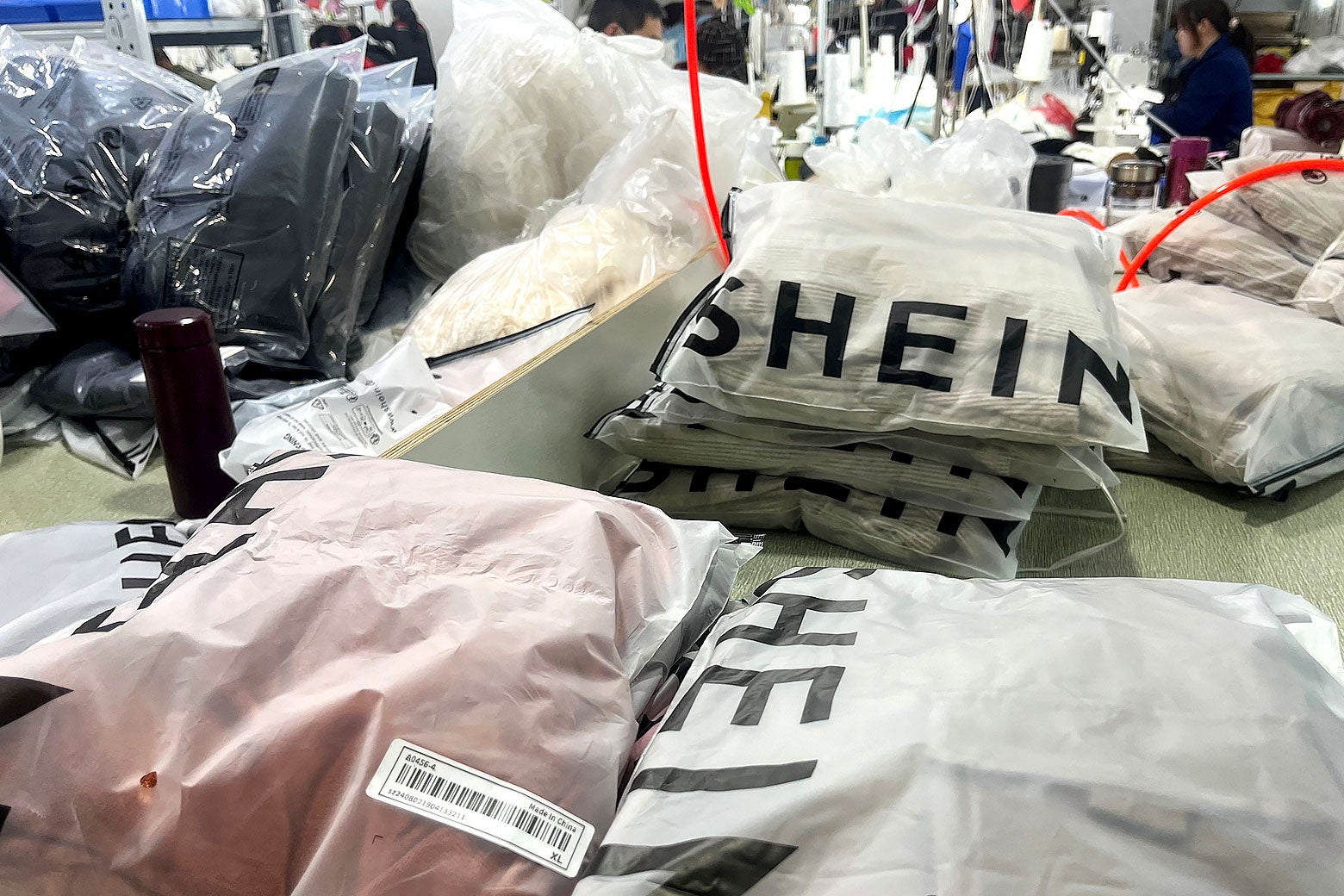
It wasn’t so long ago that Shein hauls seemed genuinely aspirational. For years on TikTok, creators raked in millions of views by opening packages and tipping out piles upon piles of plastic sleeves, each containing a polyester garment that they would hold up for the camera and deem “sooo cute.” The fast-fashion giant hit our feeds and completely altered how a generation of young people quickly consumed clothes. When a skirt is $5, why not buy it, wear it once, and then move on? Shein changed so much.
So when the company debuted on the Hong Kong stock market at the beginning of the month, investors were just waiting to get their paws on the multibillion-dollar corporation. But it didn’t take off. The IPO was kind of a massive flop, losing $5 billion in market value; as of Monday, shares have sunk 25 percent below the initial offering price. Much like the shiny, stinky tops the brand sells, it seems that we have collectively decided that Shein is a better fit for the donation pile than a long-term spot in our closets.
Video from Slate
Shein’s rise to cultural prominence is irrevocably intertwined with tech. The company was founded in 2008, finding customers through influencer collabs and giveaways on Facebook, Instagram, and Pinterest. But the brand really took off as an early adopter of TikTok. When the shortform-video wormhole opened up, Shein quickly became the world’s largest online fashion retailer. In the age of the infinite scroll, we have collectively seen a ballooning desire for more stuff. It doesn’t even really matter what stuff. Whatever it is, we would like it! How about a weighted vest that you wear like bulletproof gear to go on your neighborhood walk? What about a little silicone tray that fits around your Stanley cup, for all the times you’ve wanted your water bottle to operate as a human bird-feeder? A Phantom of the Opera mask for at-home red light therapy? Or, hang on, a lucky scoop gift? A lucky scoop gift is basically a mystery-themed box of dropshipped bootleg bullshit, curated by sellers who decide your items by randomly scooping beads onto a tray. You can even pay an extra $18 to get a video made of your lucky scoop being created. It’s the most romantic way to say “I love stuffmaxxing.” It costs about $54 before tax and shipping.
Algorithms require content, content requires something new, so the chase for novelty has become a neverending sprint. Shein met that desire with a vengeance. The corporation pushed out hundreds of thousands of designs every year, vastly outpacing even other fast-fashion competitors like Boohoo, Zara, and H&M. They were experts in stuff. Every single day could bring new stuff to you at ultra-low costs. It was like a love letter to the “Add to cart” button: They cheaped out on materials, on design, on packaging, on branding and identity, but it didn’t matter, because the point was just about getting stuff into your hands. If you make content, “new stuff” could be filmed, and traded for attention; viewers could purchase “new stuff” and feel like they, too, were participating.
Since 2020, though, consumer tides have shifted. Perhaps most critically, we saw the cost of living rise, tightening budgets and forcing consumers to think more critically about what stuff they actually needed. Focus on clothing material and finding “staple” wardrobes entered the social media ecosphere—the term “timeless wardrobe” hit an all-time search high on Google this April. Polyester, the backbone of Shein’s website, became a curse word for users now fixated on all-natural fibers and pieces that would last them a while. Simultaneously, the cost for Shein clothing was only going up. The company raised prices after being hit by Donald Trump’s tariffs on low-value imports, fuel shortages for carriers, and repeated fines by international governments like those of France and Italy for consumer law breaches. The twofold effect crushed profit, as they lay out in their IPO filing.
Digital culture has also changed. Shein was a major player in bringing about microtrends online, with one item hitting virality for a week or two until it was so saturated on our feeds that people threw it out within one menstrual cycle. The cropped sleeveless knit vest, the cow-patterned jeans, and the sheer mesh tops dotted with pictures of cherubs were all Shein-fueled viral pieces that rose to and fell from popularity within months. Briefly, everyone would look the same in a very specific way—decidely uncool. Culture shifted again: Now the status item is to have something so unique that it would be impossible to re-create with a simple Google search. Personalization and customization are in. Then, of course, there’s the cloud of immorality around the fast-fashion giant: the sweatshops and flagrant labor violations, the embarrassingly large carbon footprint, and the stealing designs from small labels.
Some analysts still think that Shein will find its way back. The Shein loyalists are still out there, trying to make it happen. There are plenty of “100 percent cotton Shein hauls,” a phrase that I cannot write without laughing, but is said by people seriously trying to find a place for Shein in this current consumption climate. (They all take on the same tone as a woman trying to convince her friends that her shitty boyfriend has finally changed.) And fast fashion is still a staple of consumption; the interest is just a little more dispersed among various retailers, which, deserved or not, don’t have the same broken reputation as Shein. Temu and TikTok Shop are both gaining ground in the U.S., while new fashion e-tailers like Cider, who follow the same ultra-low-cost model, are also still seeing growing margins in their profit.
Still, Shein’s belly-flop on the stock market is evidence that many consumers want to kick the habit of buying a shit-ton of stuff. Alternative solutions like clothing rental companies and online resale marketplaces have seen massive surges among younger consumers who want to stay on top of the trend cycle without burying their bodies in plastic bags of clothes (and maybe even resell valuable pieces for slight profit). There are signs that people really do want to take responsibility for their own consumption, purchase more thoughtfully, and generally move on from a deranged early 2020s ecosystem of e-commerce. If not for the greater good, at least for ourselves: Surely, there must be something cooler out there than the giant box of oil-drum clothes.
| # | Наименование новости | Тональность | Информативность | Дата публикации |
|---|---|---|---|---|
| 1 | Shein pierde la talla en Bolsa: cae un 35% desde su OPV tras recortar su beneficio un 67% | 0 | 10.54 | 29-09-2026 |
| 2 | 17-year-old fashion retailer closing all stores | 0 | 10 | 25-09-2026 |
| 3 | El mercado castiga a Shein tras su esperado debut en Hong Kong: la firma ‘low cost’ se hunde un 21% en 4 días | 0 | 7.16 | 04-09-2026 |
| 4 | The end of oversized? Why waists are back in fashion, according to fashion insiders | 0 | 7.26 | 23-09-2026 |
| 5 | Pourquoi nos pulls sont-ils de si piètre qualité ? | 0 | 10.96 | 23-08-2026 |
| 6 | JPMorgan says this sports data stock looks too cheap to ignore | 0 | 7.12 | 26-09-2026 |
| 7 | ‘It’s changed how we shop’: Two Belfast fashionistas on the secrets of buying second-hand bargains | 0 | 16.67 | 14-09-2026 |
| 8 | 10K shoppers bought this sweater in the last month — and it’s 50% off now | 0 | 8.13 | 23-09-2026 |
| 9 | All that glitters... in jewellers’ IPO boom | 0 | 14.55 | 13-09-2026 |