Просмотр новости
Найдите то, что Вас интересует
 Спутники
 РН
РН SpaceX
 Роскосмос
 NASA
NASA
СпутникиРНSpaceXРоскосмосNASAFormer FCC insiders are accusing Carr of overstepping
Jimmy Kimmel has become a central figure in ABC’s legal battle with the FCC amid scrutiny from the Trump administration.
Sept. 17 2026, Published 7:50 p.m. ET
A bipartisan group of former Federal Communications Commission officials has entered ABC's legal battle with the agency, accusing Chairman Brendan Carr of abusing government power to retaliate against speech disliked by the Trump administration, RadarOnline.com can reveal.
According to court documents obtained by Radar, the former FCC chairmen, commissioners, general counsels, chiefs of staff and bureau chiefs filed a brief on September 17 supporting ABC's request for preliminary relief against the commission.
Article continues below advertisement

Kimmel is central to ABC's First Amendment battle with the FCC.
Article continues below advertisement
The group includes officials who served during both Republican and Democratic administrations, from Ronald Reagan to Joe Biden. The legal fight centers on ABC's claim that the FCC used an unusual early license-renewal process against eight of its stations in retaliation for protected speech.
The former officials accused Carr of having "repeatedly exceeded the bounds of FCC authority" and claimed he has used the commission's regulatory powers to suppress protected speech while avoiding meaningful judicial review.
They alleged Carr has targeted "licensees, networks, and even particular journalists and comedians" whose speech has angered President Trump or his administration.
Jimmy Kimmel features prominently in the former officials' argument.
Article continues below advertisement
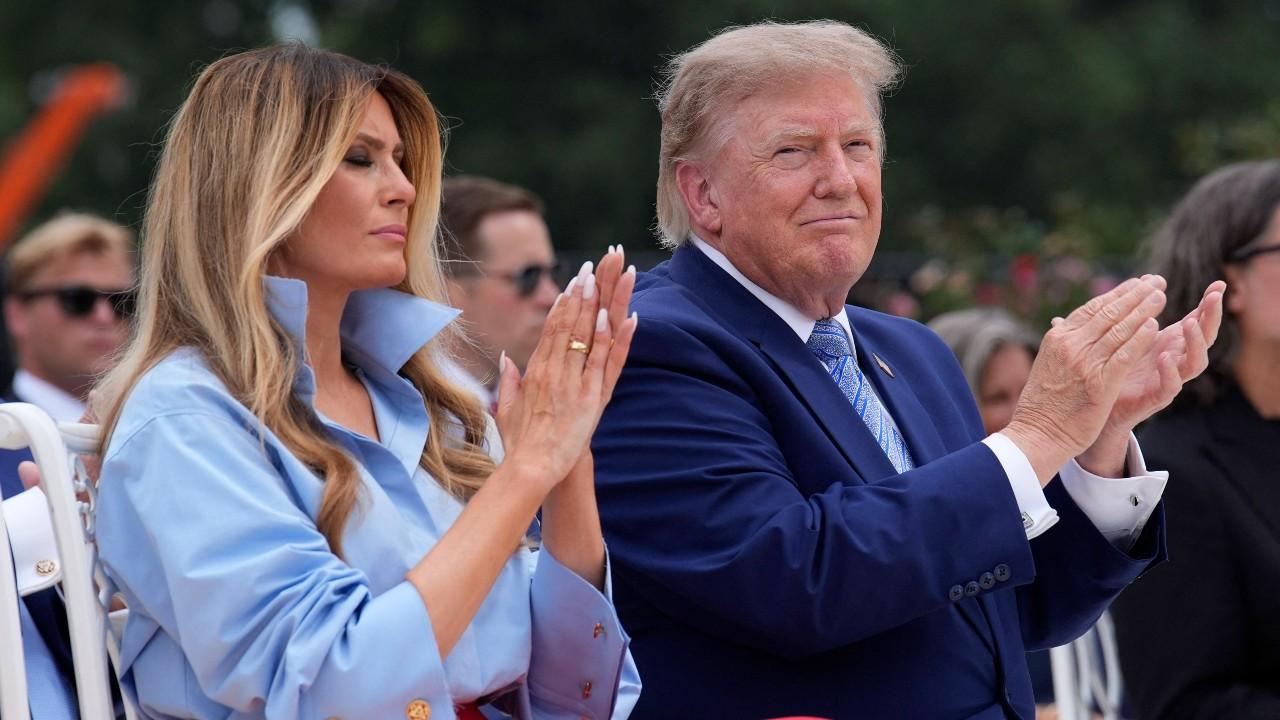
Donald and Melania Trump publicly called for ABC to remove Kimmel, according to the filing.
Article continues below advertisement
The filing points to an April 23 joke Kimmel made about Trump and First Lady Melania Trump. Four days later, the couple publicly criticized Kimmel and called for ABC to remove him, according to the filing.
One day after that, the FCC ordered all eight ABC-owned-and-operated television stations to submit early license-renewal applications. The former officials argue that the sequence is evidence supporting ABC's claim that the license proceedings are retaliatory.
Carr and the FCC have disputed that characterization. The agency has said the review involves potential unlawful employment discrimination and whether the stations are fulfilling their public-interest obligations.
Article continues below advertisement
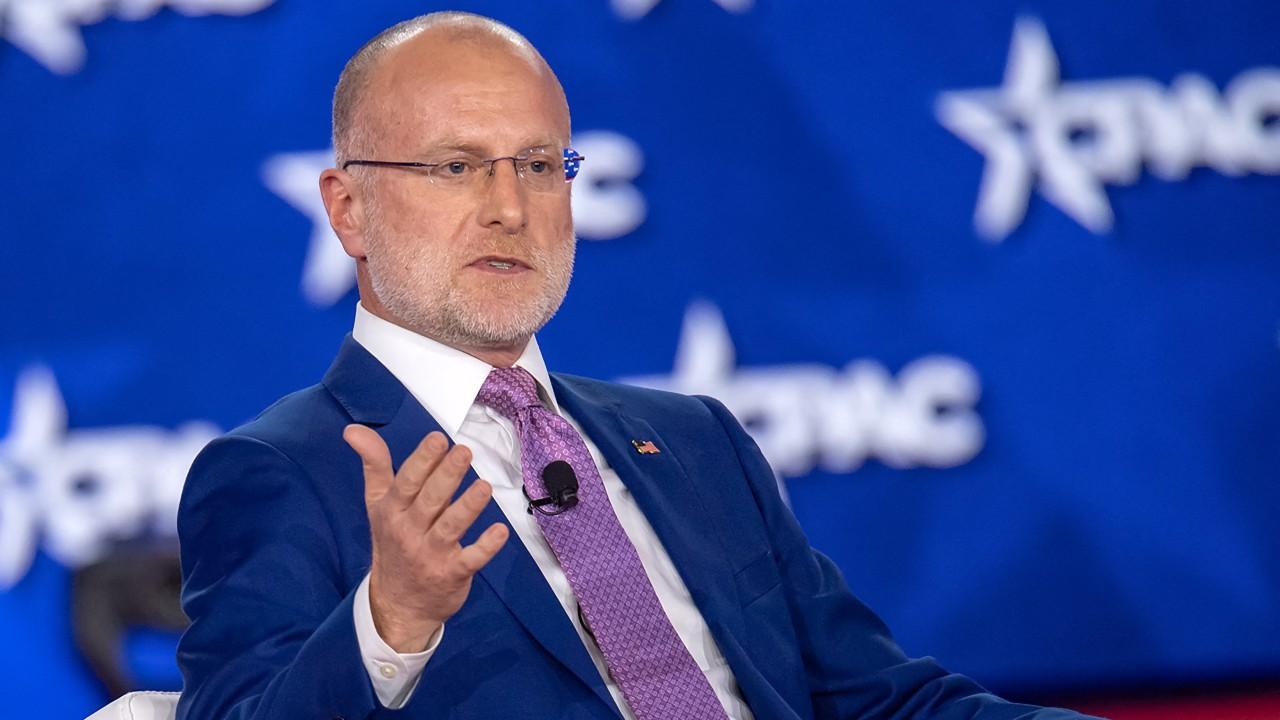
FCC Chairman Carr is accused by former agency officials of overstepping the commission's authority.
Article continues below advertisement
But the former FCC insiders said the procedure itself is virtually unheard of.
They told the court they could not recall a single early-renewal proceeding during their combined decades working at the commission and said the FCC had not used the procedure in more than 50 years before 2026.
They further claimed that forcing eight ABC station licenses into the process simultaneously appears unprecedented and inconsistent with the FCC's traditional station-by-station review.
READ MORE ON EXCLUSIVES
Article continues below advertisement


Daily updates from the heart of Hollywood, right to your inbox
By entering your email and clicking Sign Up, you’re agreeing to let us send you customized marketing messages about us and our advertising partners. You are also agreeing to our Terms of Service and Privacy Policy.
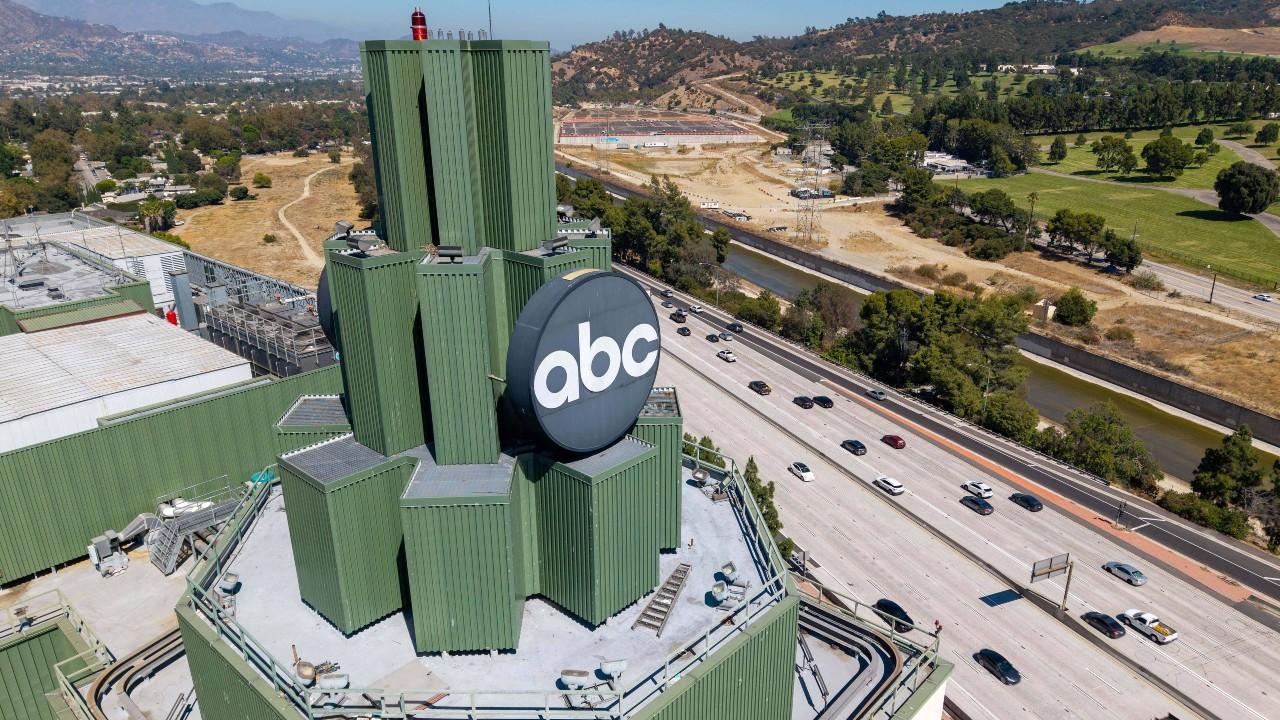
ABC is asking a federal judge to halt the FCC's early license-renewal proceedings.
ABC has sued the FCC, arguing the early license proceedings violate the First Amendment and amount to unconstitutional retaliation. The network is asking a federal judge to intervene rather than force it to wait for the agency process to conclude. The case is scheduled to return to court for a hearing on October 6.
The former officials urged the judge to grant ABC preliminary relief, arguing that leaving the proceedings in place could subject the network to years of uncertainty over the future of its broadcast licenses.
Their filing concluded that the court – rather than the FCC itself – should decide ABC's First Amendment retaliation claim.